

There are so many things in life that you can control and there are those that you absolutely have zero control over. The same goes in our journey to fitness. While you can control the food you eat and the beverage your drink and the exercise program that you can follow on a…
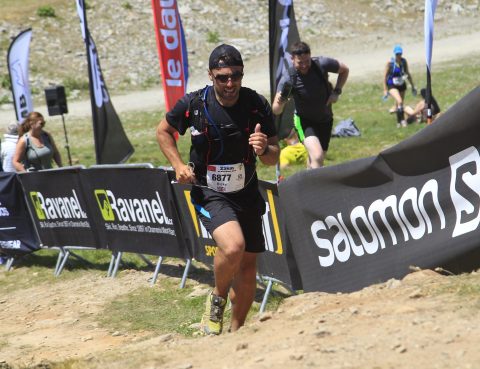
When you say downward dog, long breaths and stretches you immediately think about yoga. When you sweat a lot and you have a take-your-breath-away moments, what do you think of immediately? Love? Close. You think about high-intensity interval training. Popularly known for its acronym HIIT, this is one workout trend that has been…
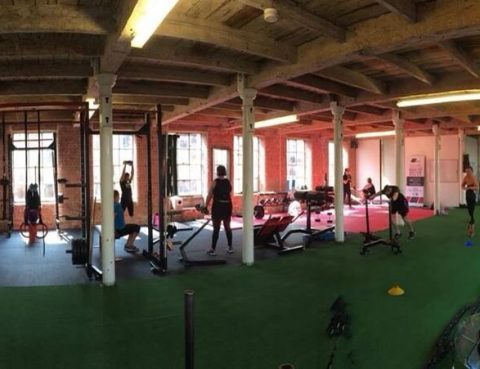
THE GYM In here, you will see a varied collection of different kinds of people in all shapes, sizes and from all walks of life. They are all supposed to be exercising to feel better about themselves and to be happier. But there is something about that lifting weights and hitting the…
How to stay focused? How do you focus when you are constantly distracted, constantly have people, places and problems pulling at your attention? Simple answer is you can’t. It’s hard to keep on track if you don’t actually have a track to follow. There’s never going to be that moment where the stars align…
There are so many different reasons people go to the gym and there are so many different levels of fitness or strength or knowledge. It’s OK to be different. It’s OK to want to train for a different reason than your friend or training partner. We all follow different programmes and all have different goals. …

Wheat, dairy, eggs, strawberries, people walking so slowly in front of you that you want to punch them in the back of their head, all these things have one thing in common – intolerance. Being intolerant to certain foods can make life difficult at times, when you’re out and about and want to grab a…
To the tune of ‘I want to break free’ by Queen – “I want to be toned. I want to be toned. I want to tone this body I’m so sick of all the wobbly bits. Oh I want to be toned. Dear trainer, you know I want to be toned!” Hands up everyone who…
Everyone encounters set backs in their journey through life at some point, your fitness journey is no different. You may face injuries or illness, or simply life events that cannot be avoided. Set backs are not always negative either, maybe you’ve taken time out to raise a family, travel a little, relax and reset. As…
But I don’t want to get bulky… Just by looking at a dumbbell you’re not going suddenly gain muscle mass. The right kind of training, the right kind of diet, even the right kind of genetic make up are all factors in determining how much muscle you can gain and over what time period. Testosterone…
BACK SQUATS
They’re such a powerful exercise that it could be classed as the ‘king’ of exercise.
That depends…
There are many factors that contribute to a good (or bad) back squat.
Mobility and stability throughout the chain, which many people lack in certain areas, are vital to a back squat.
If the squat feels wrong, painful or uncomfortable – DON’T DO IT! Work on single leg squat and lunge variations to provide more than enough stimulus to get the legs working!
Take a look at this image
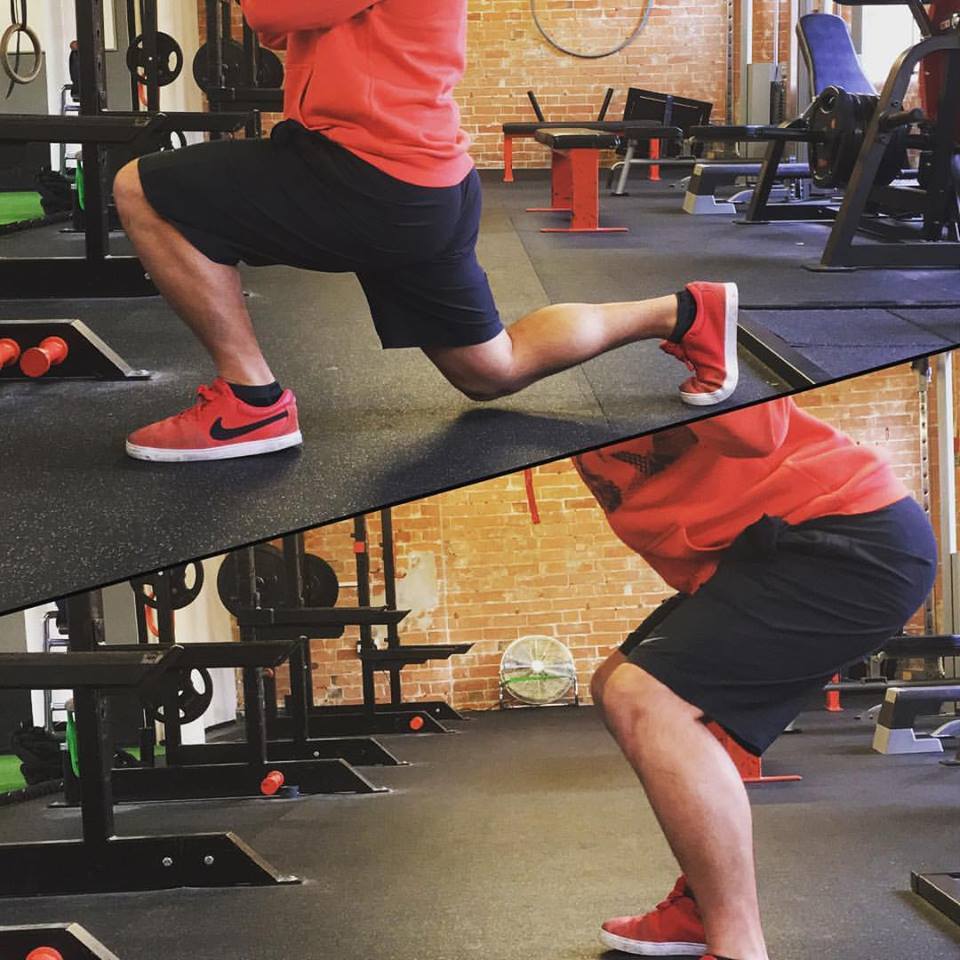
If your squat range is like the bottom picture, you need to stop squatting right now.
You most probably are doing more harm than good.
Our suggestion would be to work more on single-leg exercises until you are able to reach below 90 degrees.
Squats are part of compound movements, which means that they are exercises that work multiple muscle groups at the same time.
Squats may look like a simple movement, but this exercise targets several muscle groups: thighs, hips and buttocks, quads and hamstrings. It also strengthens one’s bones and ligaments. Not only that, because it targets these muscle groups, it strengthens your lower body, the part which is widely responsible for keeping a person upright and moving.
Squats are the highlights of every leg day. And leg days are the most dreaded days at the gym. It’s understandable, though. I mean, you can barely walk for days after a good leg day. That pain, however, is just a small price to pay for the benefits that you will get from back squats.
What are the benefits of a back squat?
– It strengthens your lower body like your legs and glutes and tightens your thighs, hips and buttocks.
– A strong lower body will not only make you look good physically, it will also improve your overall fitness.
– A lot of daily activities are reliant on the strength that comes from your lower bodyBack squats improve one’s mobility. You get to move around and support your entire body because it strengthens your lower body.
– It boosts your metabolism. Squats are considered strength training that helps build and maintain muscle mass.
– It strengthens your bones and joints. We do know the importance of protecting your bones at all cost. Bones and joints slowly deteriorate as we get older. In order to prevent any damage, you have to continually train them so they will always stay strong.
Leg muscles are also the biggest muscle group in the body. When you do squats, your body seems to work harder during these sessions, and more energy is needed to work up that metabolic rate, which eventually leads to the body burning more calories.
Despite its many benefits, squats remain one of the dreaded exercises at the gym.
Squats, however, are one of those exercises that people usually perform incorrectly.
The only way to get the full benefits of a squat is by doing it the right way. The very first thing and probably one of the most important things to understand about squats is that it doesn’t have to be fancy. You just need to know the basics and master them.
What are the things to remember in order to perform back squats the right way?
– Know the basics. You may be doing 20 reps in 15 seconds and feel like you are the most badass ‘squatter’ in the gym. But unknowingly you are doing it all wrong, so it still doesn’t matter if you did 50 because it will only lead to time wasted and, worse, injuries.
– Secondly, always make sure you stretch those legs after an intense session. When your muscles
– Thirdly, if you feel pain and if it feels uncomfortable, STOP RIGHT AWAY. Forcing it might lead to injuries.
You can also ask experts how you can do other variations to this exercise, which you can customise based on your limitations. This is one of the main benefits of working out at a personal training studio like ourselves. People are always on hand to give you support or advice and show you techniques to practice exercises safely.
Mastering the exercise correctly will allow you to reap all the benefits of a back squat. Doing it 10 times the right way is way better than doing what resembles as a squat 50 times.
How to Back Squat Correctly
– Make sure that you stand on a balanced stance. Ideally, your feet should be shoulder-width distance apart and parallel to each other. Sometimes, it helps if your toes are slightly pointed outwards.
– Use your core. Engage your core, as it helps stabilise you. You can flex your abs as if preparing to get punched.
– Roll your shoulders up and back, look straight ahead and look tall, as if an invisible thread is holding your head up.
– Do a sitting-down-on-a-couch movement. To do this properly, act as if you are about to sit down with your butt backwards leading the way down, followed by bending your knees.
– With the bending of the knees, make sure that you do not overdo it. Your knees shouldn’t go over your toes. Make sure that your bent knees are aligned with your toes.
One of the most common mistakes when doing a squat is letting the knees do all the hard work. This will lead to more injuries. Let the buttocks lead the way until you have reached the floor or below 90 degrees.
– Whilst your butt is still out, make sure that you keep your upper body straight at all times by looking straight ahead and NOT rounding our backs.
– Go down slowly without weights first and try to feel if you start to feel tension in your glutes, thighs and hamstrings, then you are doing it right. If you start feeling comfortable, then you can start adding weights.
The other common mistakes that one encounters when trying out a squat apart from letting the knees do the heavy load are hunched backs and lifting one’s feet off the floor.
You can check out a technique as displayed in the below video.
If the full squats seem to be too much for you, there are several squat variations that you would want to try.